
“We are a private travel agency providing assistance for safari bookings. We are not affiliated with the Government of India or Ranthambore Forest Department.”
www.ranthamboretigerpark.in is a private travel company and is not associated with the Government of India, Forest Department, or Ranthambore National Park authorities. We provide safari booking assistance through authorized channels.
Our Services In
Ranthambore National Park
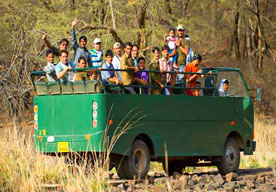
Gypsy/Canter Safari Booking

Chambal Safari Booking
.webp)
Hotel Booking
About Ranthambore
Key Information About Ranthambore
A Brief History of Ranthambore National Park:
Established by the Indian government in 1955 as the Sawai Madhopur Gaming Sanctuary, Ranthambore National Park has a rich history.
In 1973, it gained recognition as one of India's Project Tiger Reserves, marking its commitment to the conservation of this majestic species.
The park earned its designation as a national park in 1980 and witnessed further expansion in 1991, incorporating the neighboring Keladevi Sanctuary in the north and Sawai Mansingh Sanctuary in the south, along with additional forests.
Notably, Ranthambore is renowned for its tiger population, offering visitors a unique opportunity to witness these magnificent predators in their natural habitat. It stands out as the sole reserve in the region where spotting tigers is almost guaranteed, making it a prime destination for tiger tours.
How to reach Ranthambore by Air:
The nearest airport is Sanganer Airport in Jaipur, approximately 180 km away. With regular flights from major cities across India, reaching Ranthambore from Jaipur is convenient, with taxis readily available for the 180 km journey.
How to reach Ranthambore by Rail:
Sawai Madhopur, located 10 km away, serves as the nearest railway station. Well-connected to major cities, travelers can easily take a train to Sawai Madhopur and then use taxis or cabs to reach Ranthambore National Park.
How to reach Ranthambore by Road:
Ranthambore enjoys excellent road connectivity with state bus services connecting it to major cities. Travelers also have the option of using private or luxury cars. Cities like Jaipur (157 km), Delhi (417 km), Ahmedabad (657 km), Ajmer (274 km), and Jodhpur (450 km) are accessible by road. However, road conditions from the Agra/Bharatpur side are challenging, whereas the route from Tonk is in decent condition.
Key Details About Ranthambore National Park:
- Total Forest Area: 1536 Square Kilometers
- Core Area: 716 Square Kilometers
- Rivers: Johilla, Janadh, Charanganga, Damnar, Banbei, Ambanala, and Andhiyari Jhiria
- Hills: Ranthambore Hill, rising 811 meters above sea level
- Temperature: Maximum 42 degrees Celsius in summer and 10 degrees in winter.
The Tale of Renowned Tigers in Ranthambore
Ranthambore National Park is renowned for its thriving Bengal tiger population, drawing in thousands of visitors annually. Among the notable tigers that have contributed to Ranthambore's fame, a few have left an indelible mark. Here are their stories:
Machli: Known as the Queen of Ranthambore, Machli held a prominent place among the park's tigers. Born in 1997, she lived an impressive life until 2016. Machli was celebrated for her exceptional hunting skills, highlighted by her remarkable feat of taking down a sizable crocodile in one of the park's lakes. Additionally, she proved to be a nurturing mother, successfully raising multiple litters of cubs.
Ustad: Also recognized as T-24, Ustad was a formidable tiger in Ranthambore, notable for his imposing size and dominant demeanor. However, his interactions with humans, marked by a series of attacks, led to his relocation to a zoo in 2015.
Sultan: Referred to as T-72, Sultan stood out as one of the largest tigers in Ranthambore. His impressive size and strength were often on display as he patrolled his territory. Unfortunately, in 2018, he engaged in a territorial fight with another tiger, resulting in severe injuries that led to his demise a few days later.
Broken Tail: Identified as T-17, Broken Tail was a male tiger known for his distinctive tail, broken in an accident. A popular attraction in the park, he could often be spotted lounging on rocks or strolling along the road. However, in 2010, he mysteriously disappeared from the park and was later discovered lifeless in a nearby village.
These tigers represent just a fraction of the captivating stories that have contributed to Ranthambore's acclaim. Each one possessed a unique personality and narrative, forever etched in the park's history as symbols of its natural beauty and wildlife legacy.
About Park
Ranthambore National Park
Ranthambore Tiger Park is one of the most scenic wildlife destinations in Rajasthan, renowned for its thriving population of Bengal Tigers. Counted among the largest and oldest national parks in Northern India, it was officially established in 1980 and today covers an impressive area of 1,334 square kilometers. The park derives its name from the historic Ranthambore Fort, which stands proudly within its boundaries. Ranthambore Tiger Park is especially famous for its tiger sightings, with a healthy tiger population that makes it one of the best places in India to spot these majestic animals in their natural habitat. Beyond tigers, the park shelters an incredible variety of wildlife, including Leopards, Sloth Bears, Hyenas, Wild Boars, Sambar Deer, Chital, and many others. It is also a paradise for birdwatchers, hosting nearly 300 species of resident and migratory birds. Some of the commonly sighted birds here are the Kingfisher, Painted Spurfowl, Sarus Crane, Large Cormorant, Bronzed-winged Jacana, Sandpiper, Nightjar, Great Horned Owl, and Painted Sandgrouse.
The wildlife of Ranthambore Tiger Park thrives freely without any scarcity of food or water, thanks to its diverse landscape of deciduous forests, open grassy meadows, rocky ridges, rivers, and natural water bodies that sustain the ecosystem. One of the major highlights inside the park is the historic Ranthambore Fort, built in the 10th century. Recognized as a UNESCO World Heritage Site, the fort offers breathtaking panoramic views of the surrounding wilderness. Visitors can also explore several temples, mosques, and ancient structures within the fort premises, adding a rich cultural and historical dimension to the park’s natural beauty.
Visitors can enjoy the beauty of birds, wild animals, and other attractions of the region by making a Ranthambore Tiger Park booking. The park offers different types of safari experiences that let tourists explore the wilderness up close. Guests can choose from canter safaris, gypsy safaris, or even boat rides, each providing a thrilling adventure and the chance to witness the park’s diverse plants, animals, and birds in their natural habitat.

80+
Tiger

167+
Leopard

320+
Bird Species

100+
Sloth Bears
Best Time To Visit
Ranthambore Tiger Park in Rajasthan remains open from October to June every year. Oct to June.
The winter months, from October to December, are considered the best time to visit Ranthambore Tiger Park. For those hoping to spot Bengal Tigers, the period from October to April offers the highest chances, as tigers are more active and can be sighted more frequently during these months.
This period is also special because it marks the mating season of tigers. To visit Ranthambore Tiger Park in Rajasthan, tourists are advised to make their safari bookings in advance to avoid last-minute hassle upon arrival. For wildlife lovers, the park is truly a paradise — with its rich heritage, the melodious chirping of birds, and the presence of some of the rarest species of flora and fauna, making it nothing less than a heaven on earth.
The Park remains closed during monsoon season.
Project Tiger in Ranthambore
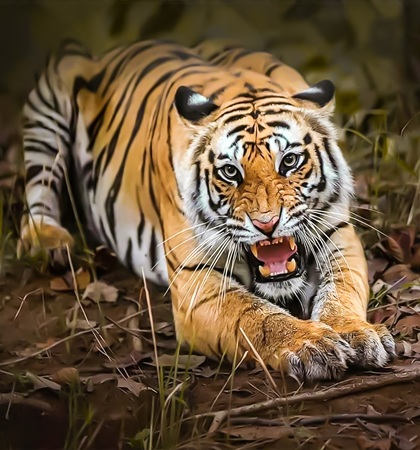
The history of Ranthambore Tiger Park dates back to the 10th century. The park takes its name from the majestic Ranthambore Fort, which stands within its boundaries and has witnessed numerous battles and rulers over the centuries, adding to the park’s historical significance. Once used as a hunting ground by the Maharajas of Jaipur, the region was first recognized as a wildlife sanctuary in 1955. Later, in 1973, it became part of Project Tiger, marking its importance in India’s tiger conservation efforts.
Project Tiger is a landmark initiative launched by the Government of India on April 1, 1973, with the goal of protecting the country’s rapidly declining tiger population. As part of this project, nine tiger reserves were initially established, and Ranthambore Tiger Park was among them. The project focused on creating a safe and secure habitat for tigers, strictly banning activities like poaching and hunting. Beyond protection, it also aimed to raise awareness about the importance of tiger conservation and encourage people to actively participate in safeguarding these majestic animals for future generations.
The government has implemented several initiatives to conserve tigers, including anti-poaching measures, habitat improvement, community involvement, monitoring and research, awareness campaigns, infrastructure development, village relocation, and more. These combined efforts under Project Tiger have significantly contributed to the increase of the tiger population in India and specifically in Ranthambore Tiger Park. Thanks to these conservation measures, the park is now recognized as one of the most successful tiger reserves in the country.
What To Do In Ranthambore Tiger Reserve
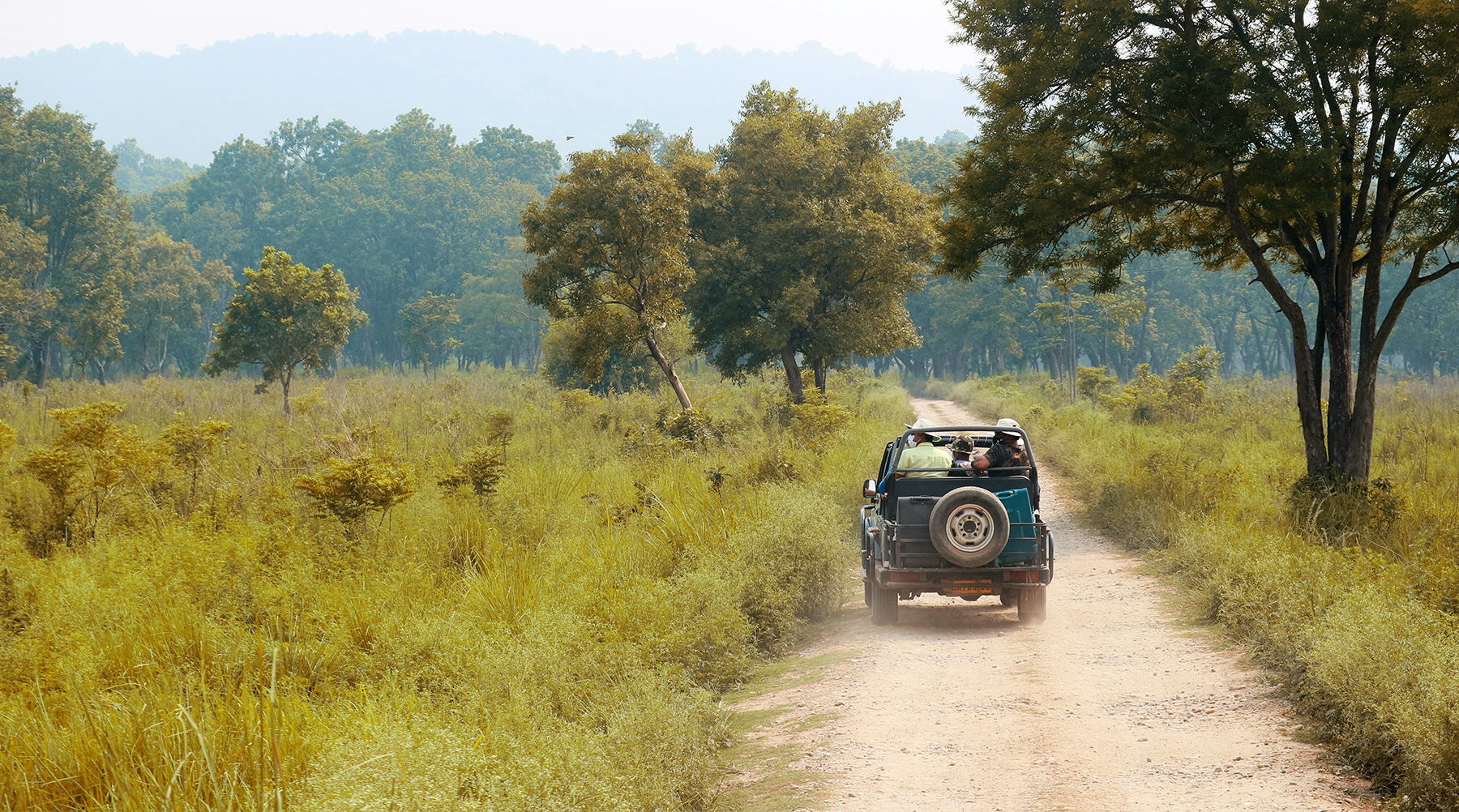
Safari Experience
Visitors can enjoy gypsy safaris or canter safaris in Ranthambore Tiger Park, where they can witness wild animals, as well as the park’s lush plants and diverse birdlife in their natural habitat.
Read more +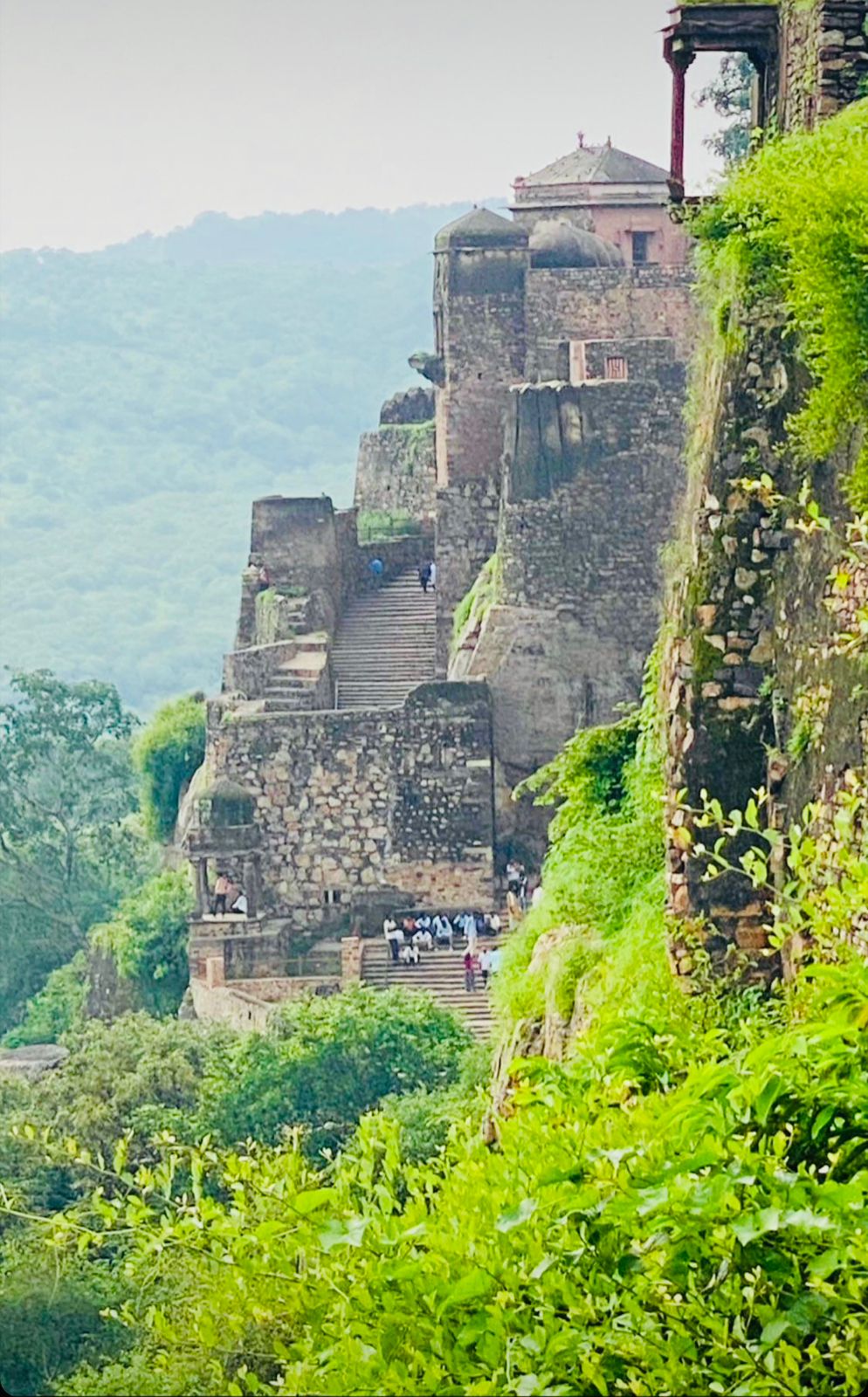
Ranthambore Fort
Tourists visiting Ranthambore Tiger Park can also explore the historic Ranthambore Fort located within the park. A UNESCO World Heritage Site, the fort showcases the rich history and architectural marvels of the region.
Read more +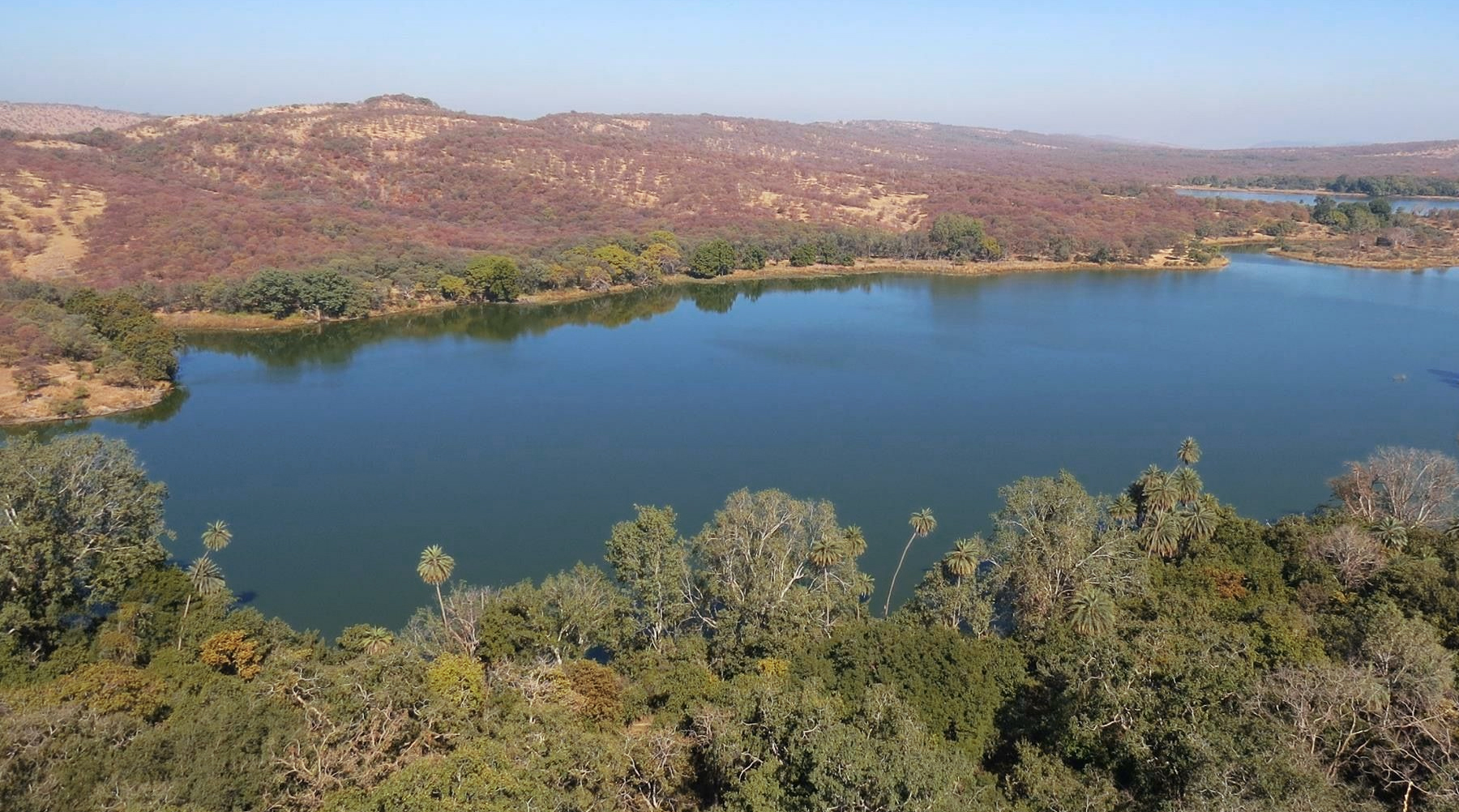
Kachida Valley
This valley within Ranthambore Tiger Park is a stunning spot that nature lovers will adore. Located on the edge of the park, it features lush greenery, many rocky outcrops, rocky outcrops, slender hills,
Read more +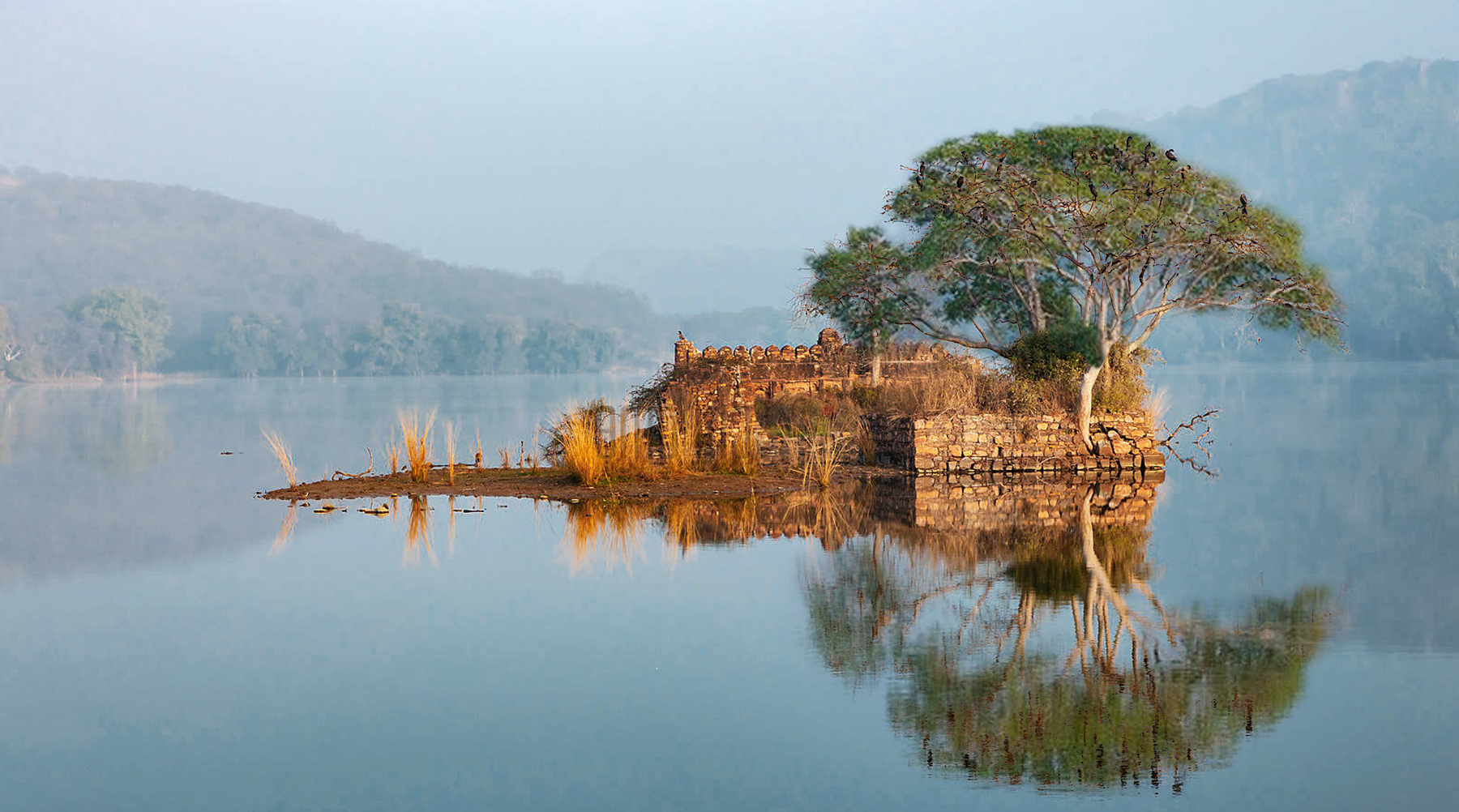
Padam Talao
Travellers can enjoy a peaceful visit to Padam Talao within Ranthambore Tiger Park. The lake, adorned with beautiful water lilies, offers a refreshing and scenic spot to relax and take in nature. As the largest lake in the park,
Read more +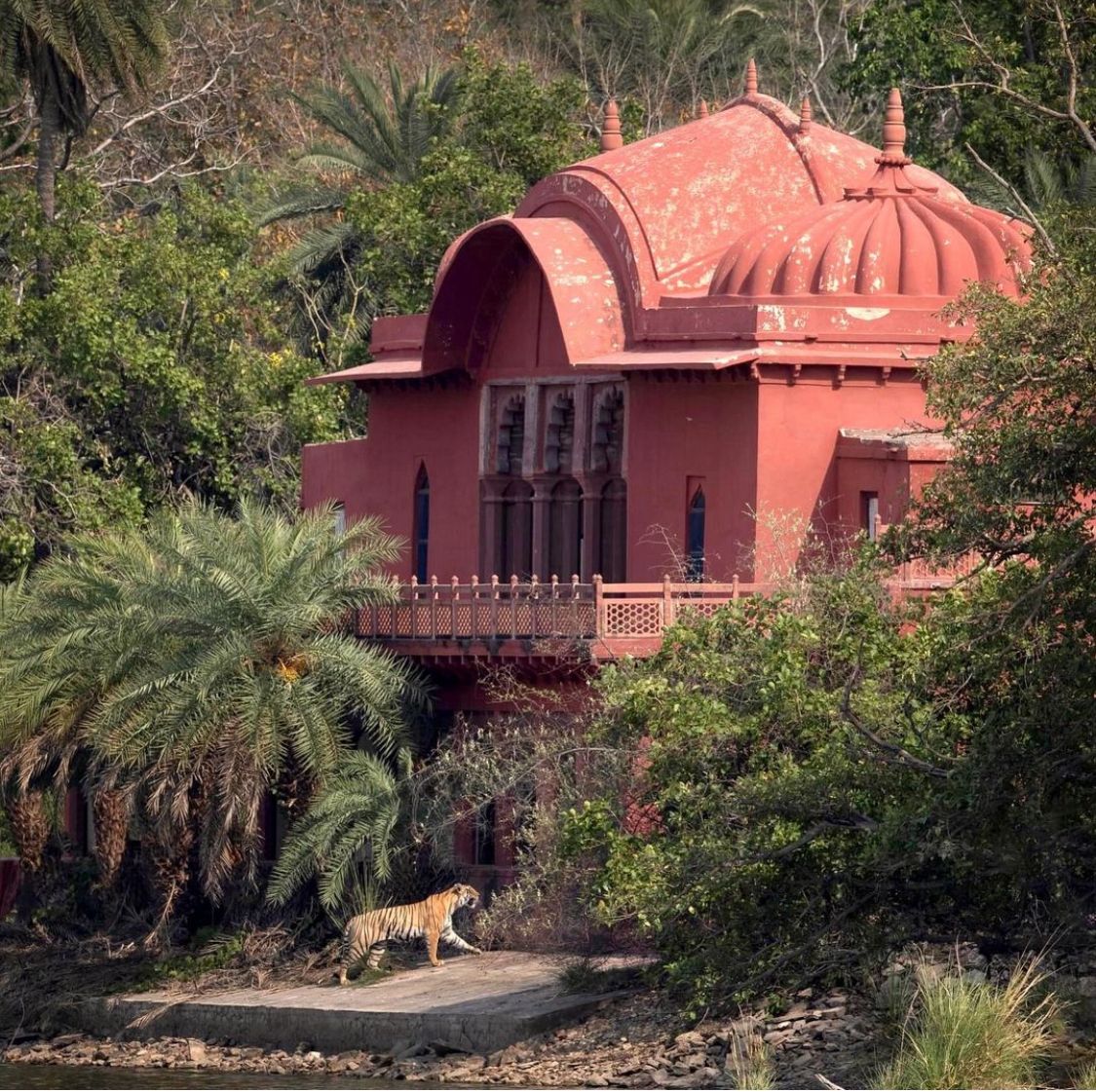
Jogi Mahal
Situated next to Padam Talao, Jogi Mahal enhances the scenic beauty of Ranthambore Tiger Park. Historically, it served as a resting place for the Royals of Jaipur during hunting expeditions in the forest. Today, it operates as a forest
Read more +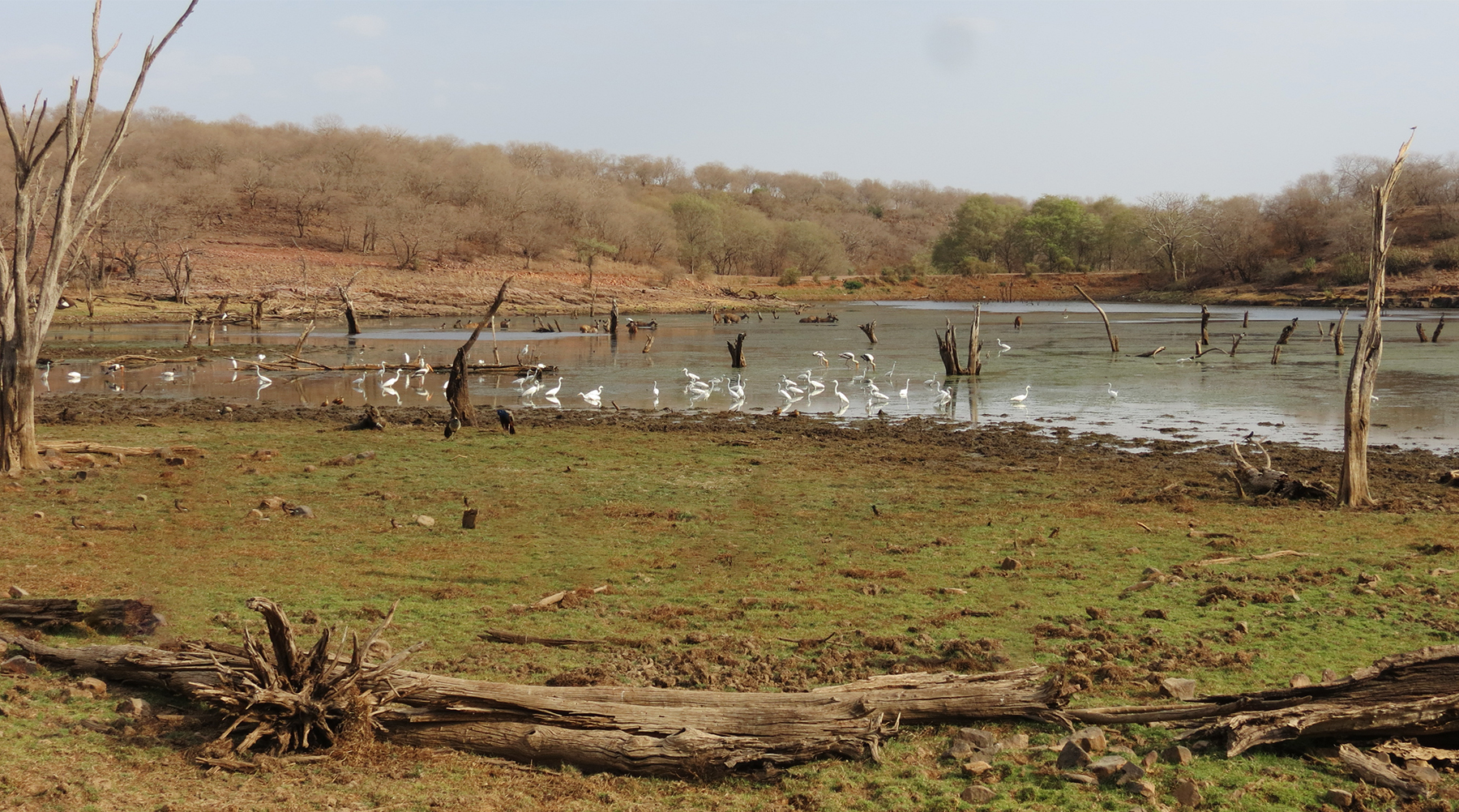
Malik Talao
Ranthambore Tiger Park in Rajasthan is dotted with beautiful lakes, making it a picturesque destination. One of the most charming lakes is Malik Talao, a smaller lake surrounded by lush greenery and trees. The lake is home to marsh crocodiles,
Read more +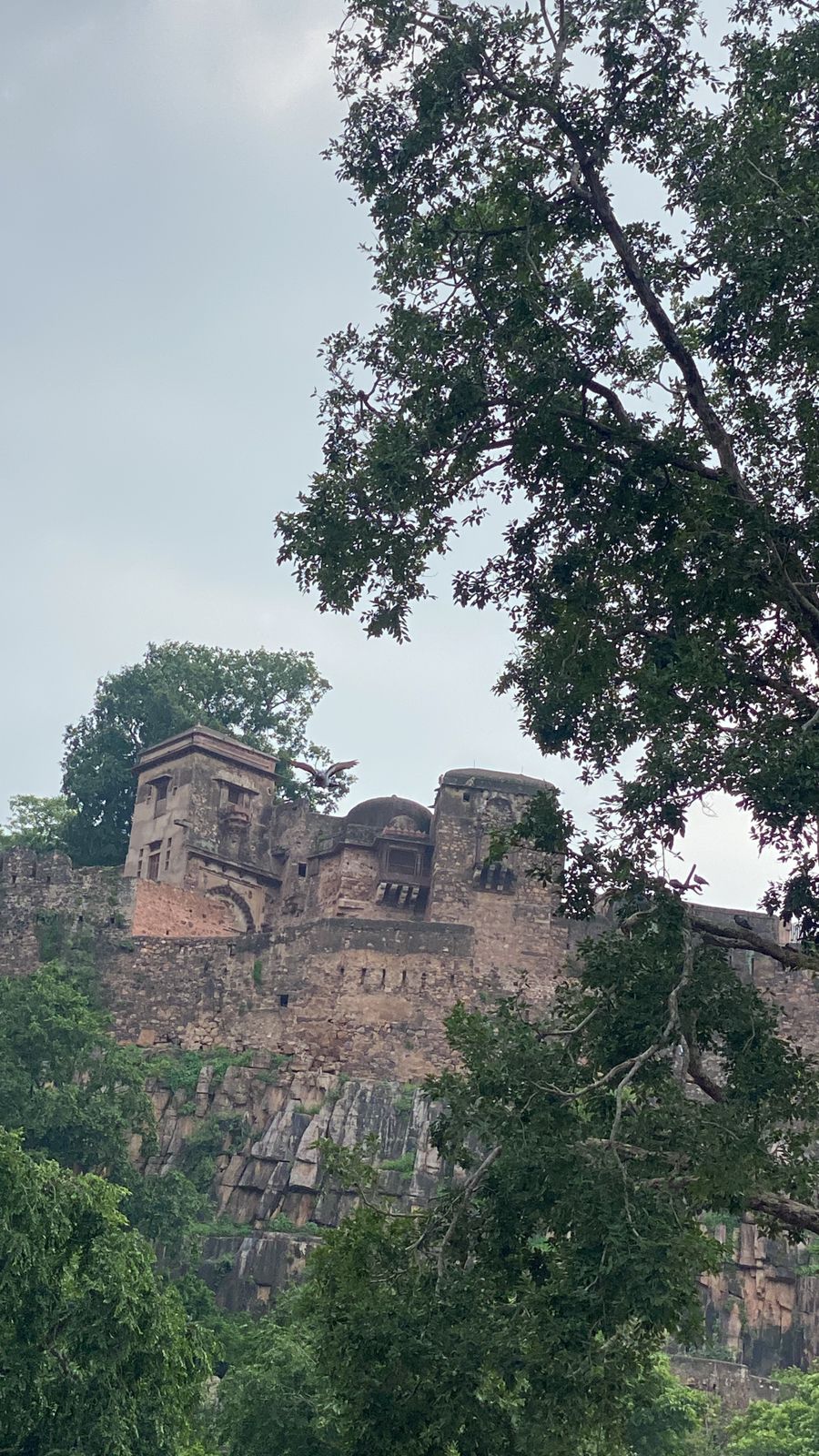
Raj Bagh Talao
Raj Bagh Lake is one of the most renowned lakes in Ranthambore Tiger Park and a prime location for wildlife sightings. Animals frequently visit the lake to drink, providing visitors with excellent opportunities to spot tigers and other wildlife. The area is further enriched by the historic Raj Bagh ruins,
Read more +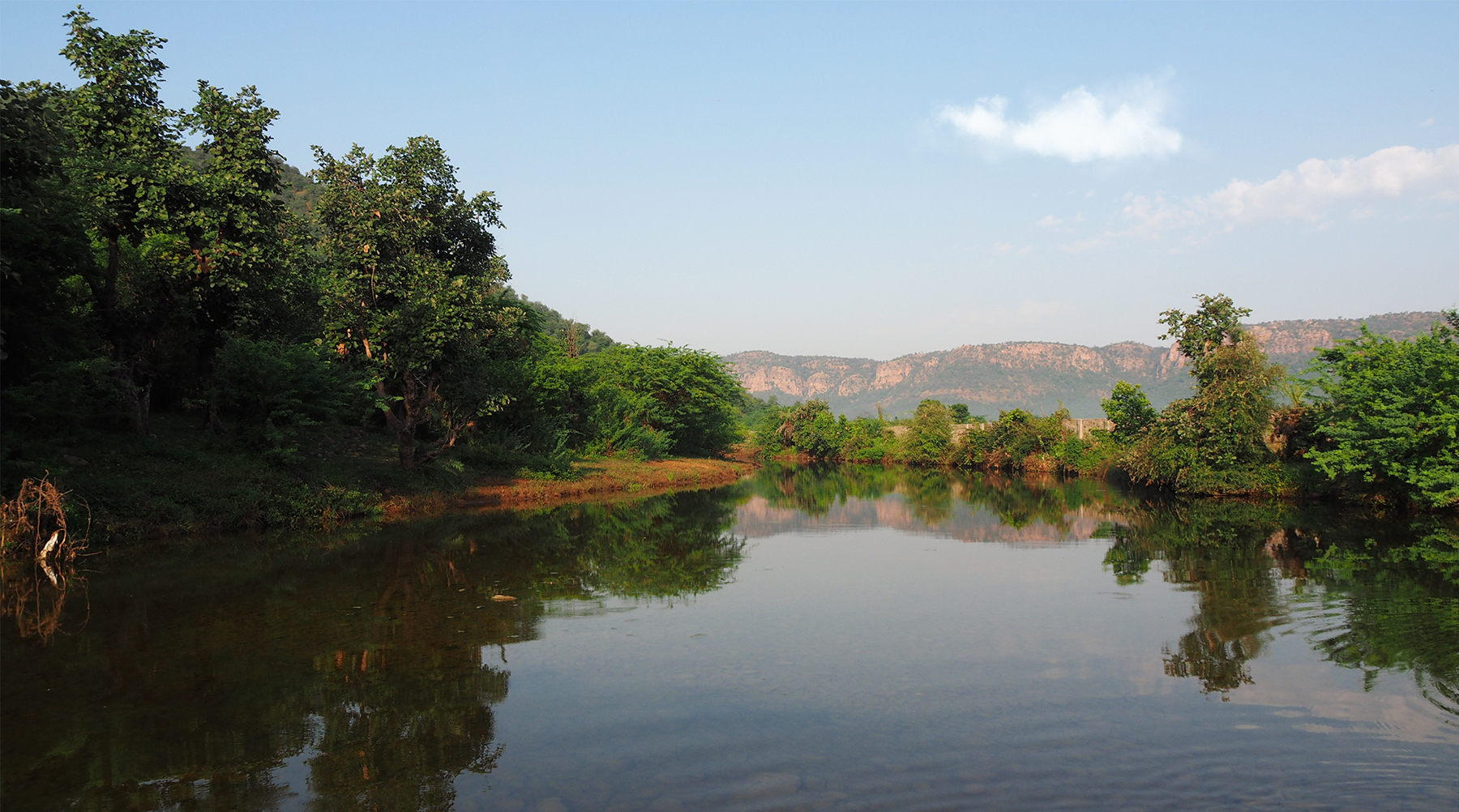
Raj Bagh Ruins
The historic ruins in Ranthambore Tiger Park stand as a testament to the historic and prehistoric era of Rajasthan. Located between Padam Talao and Raj Bagh Lake,these ruins consist of stone structures, palace outhouses, domes,and arches from bygone times.
Read more +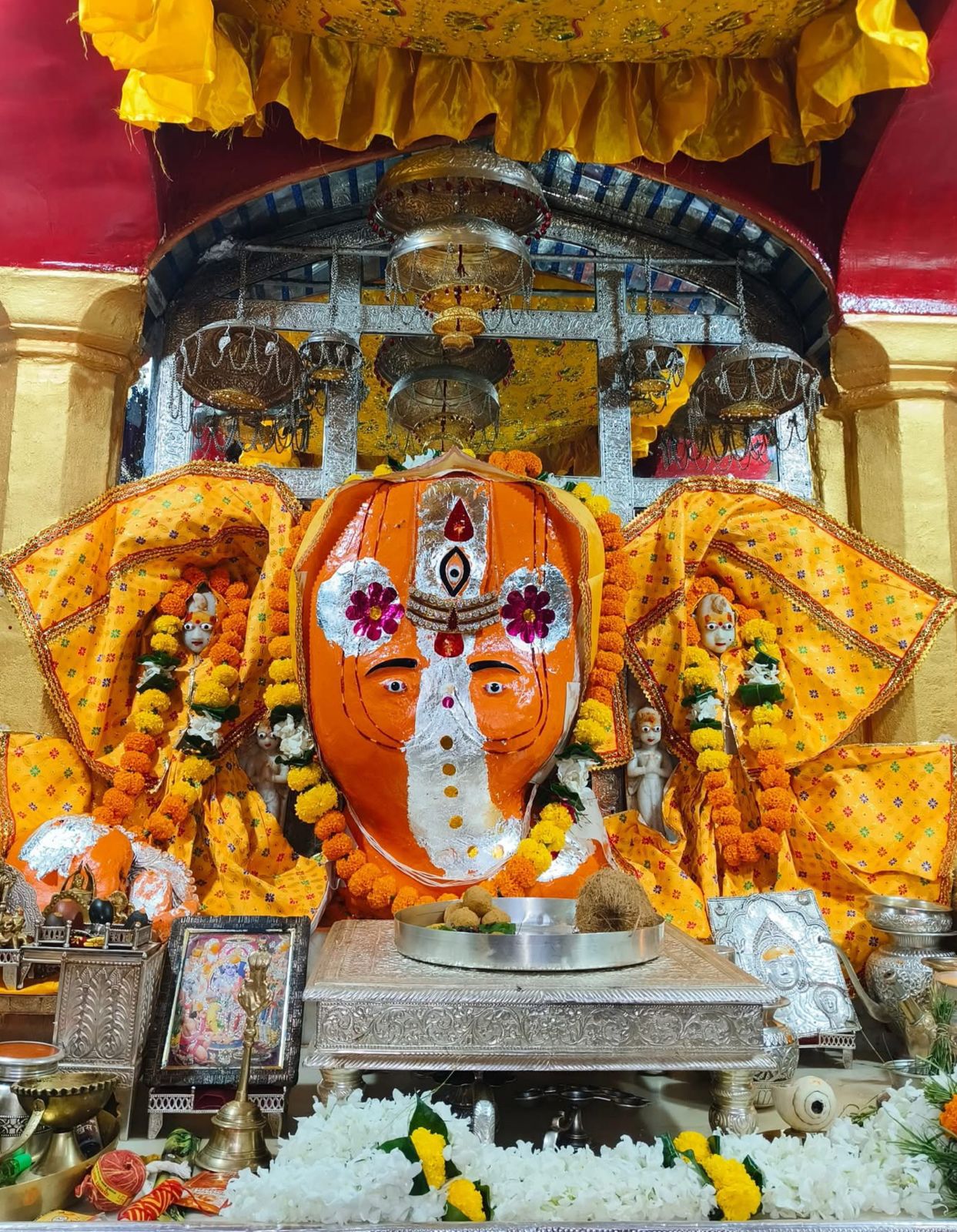
Trinetra Ganesh Temple
Situated within Ranthambore Fort, this temple is among the oldest in Rajasthan and a major attraction for devotees of Lord Ganesha. It is home to the renowned Pratham Ganesha idol, the unique depiction of Ganesha with his entire family.Many tourists plan their Ranthambore
Read more +Near by Attraction
Jain Tirth Kshetra Shri Mahaveerji
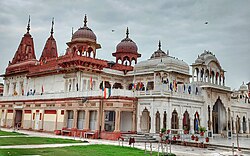
"Shri Mahavir Ji is a significant Jain pilgrimage destination located in Shri Mahaveerji town, within Hindaun Block of Karauli district, Rajasthan. Revered for its religious importance, it attracts numerous devotees and visitors every year."
Read more +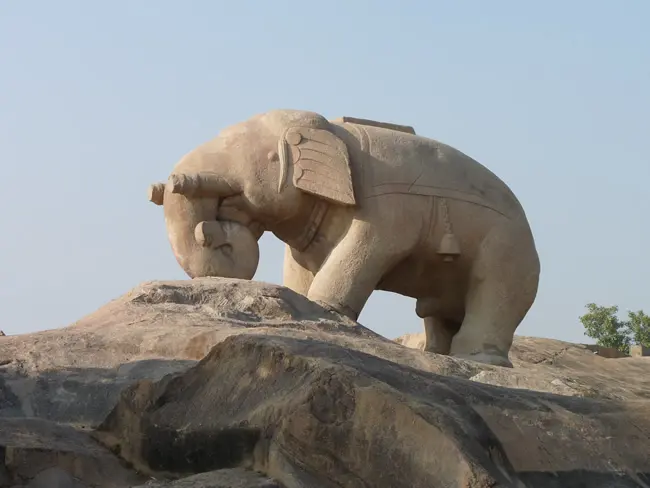
Hathi Bhata Tonk Rajasthan
Hathi Bhata, a significant historical landmark, is one of the major attractions of Tonk, located in the Tonk district of Rajasthan. Situated in Gumanpura village, it lies 22 kilometers from Tonk city and approximately 5 kilometers from the historic Kakod Fort.
Read more +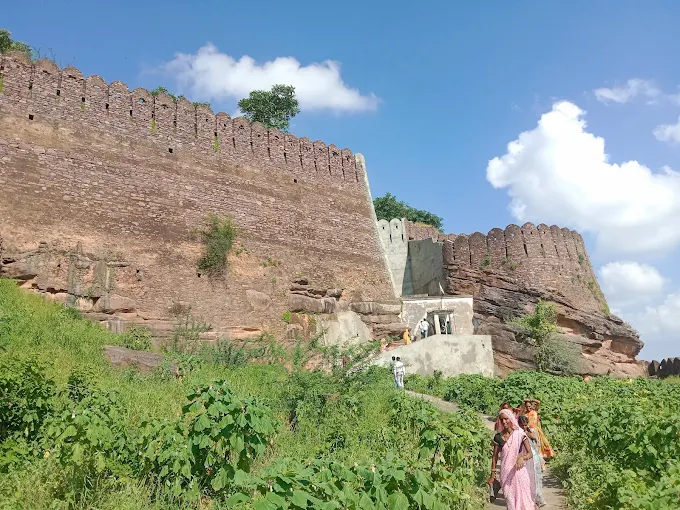
Khandar Fort
Khandar Fort is an ancient fort situated in Khandar Tehsil of Sawai Madhopur district, Rajasthan, India. Located on the edge of Ranthambore National Park, the fort originally had three grand entrances, although they are now partially damaged.
Read more +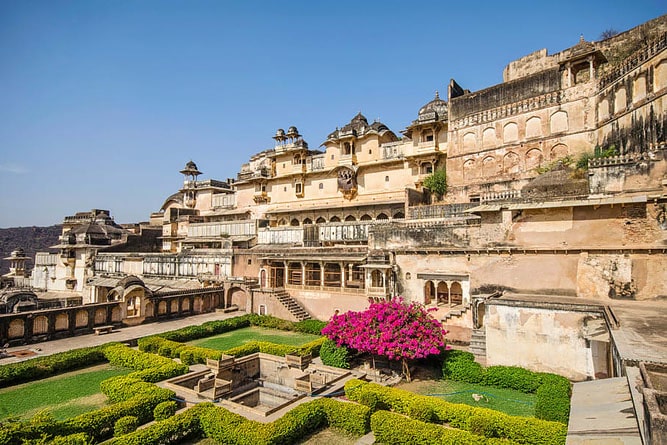
Garh Palace
Bundi’s Garh Palace, the historic residence of the royal family, is renowned for its distinctive architecture, which remained largely untouched by Mughal influence. The palace vividly reflects the opulence and grandeur of the royal lifestyle of Indian kings and queens.
Read more +
Amber Fort
"Amer Fort, also known as Amber Fort, is a majestic fort located in the town of Amer, Rajasthan, just 11 kilometers from Jaipur, the state capital. Perched atop a hill, it is one of Jaipur’s principal tourist attractions. The fort is renowned for its exquisite architectural style,
Read more +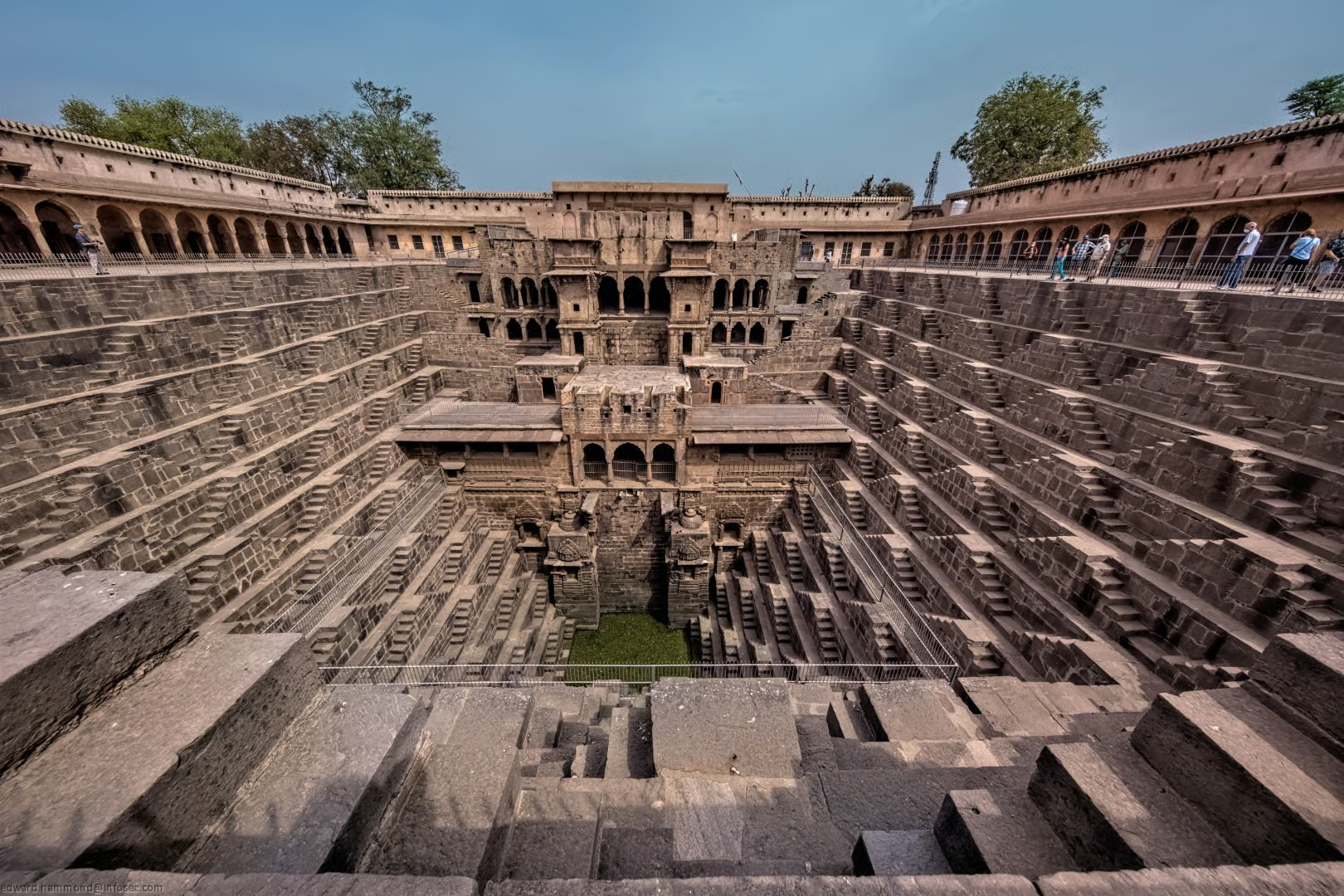
Chand Baori
Chand Baori, a 9th-century stepwell located in Abhaneri, Rajasthan, is renowned for its stunningly symmetrical and geometrically precise design, featuring over 3,500 steps descending approximately 100 feet. Built by King Chanda to conserve water,
Read more +Famous Tigers Of Ranthambore
| Tigers Name | Description |
|---|---|
| 1. MACHALI | The most famous tigress of Ranthambore Tiger Park will always be Machali. Known for her unique poses, Machali was the most photographed tigress in the park. Her tiger code was T-16, and she gained immense popularity for often posing for tourists. She was even featured in the award-winning film“The World’s Most Famous Tiger”and mentioned in the book “Three Ways to Disappear”,by Katy Yocom. Sadly, this legendary tigress passed away on 18 August 2016 at the age of 20, leaving behind an unforgettable legacy in Ranthambore. |
| 2. SUNDARI | The tigress Sundari, daughter of Machali, is another famous tigress of Ranthambore Tiger Park. Her tiger code was T-17, and she gave birth to three cubs in 2019. Born in 2006, she was named Sundari for her beautiful face. Sundari was mostly seen in zones 1 to 5 of the park. Sadly, she has now passed away. |
| 3. ROMEO | This tiger, known for his affectionate nature, was often seen trying to catch the attention of Laila. His tiger code was T-6, and he was mostly spotted in zones 4 and 5 of Ranthambore Tiger Park. Born in 2011, he sadly passed away at the age of just 9. Throughout his life, he continuously sought Laila’s attention, while she, in turn, attracted other tigers in the area. |
| 4. LAILA | She is another famous tigress of Ranthambore Tiger Park, with the tiger code T-41. She is known for her playful interactions with T-6 and continues to charm tourists visiting the park. Mostly spotted in zones 4 and 5, she can be easily identified by the diamond-shaped mark on her body. |
| 5. DOLLAR | Another well-known tiger of Ranthambore Tiger Park was Dollar, with the tiger code T-25. He earned the name “Dollar” because of the dollar-shaped mark on his stomach. He was also nicknamed Zalim due to his fierce nature, often chasing vehicles and intimidating humans. This ferocious tiger sadly passed away in 2020. |
| 6. Famous Deceased Tigers: | Other notable tigers of Ranthambore Tiger Park include T-24 (Ustad), T-39 (Mala), T-41 (Junglee), Bina One, Bina Two, and T-28 (Sitara), each known for their unique personalities and markings within the park. |